

Meet the New CMO Whisperers
Christina Goswiller
Published September 24, 2026

Cannes Lions 2026 made something official that the industry has been circling for years: creators are no longer a channel. They are strategic partners. More than 250 creators descended on the Croisette, the festival’s dedicated LIONS Creators track expanded to its largest footprint yet, and the old debate—“Should we be working with creators at all?”— is virtually over. The question now is how to scale creator partnerships in a way that’s measurable, sustainable, and integrated into the broader marketing mix. That’s a harder, more interesting question. And the person best positioned to answer it is your social lead.
The unfiltered, real-time pulse of your consumer, category, and culture now lives on social platforms, and the subject-matter experts who fluently speak that language are the new strategic core.
Social leaders have become the architects of brand momentum—the function closest to culture, closest to the consumer, and, increasingly, closest to the decisions that matter most.
This requires a fundamental redefinition of the social leader's role. Historically, the social expert was a downstream recipient of a brand's strategy—the final step in syndicating content and managing community chatter. Their value was measured in engagement metrics like likes and shares or follower growth.
Today, social has an upstream and bottom-line impact, with the experience to synthesize cultural intelligence, uniquely positioned to interpret a constant firehose of data and translate it into actionable insights. They are the first to spot emerging cultural trends, detect shifts in consumer sentiment, and identify competitive threats before they appear in a quarterly report.
We see that in the work resonating with consumers—and winning awards—increasingly starting with a social spark. An entire 360 campaign inspired by a Reddit thread. A new product built around a niche meme. A collab that breaks the internet based on a single TikTok comment. That’s the real secret sauce of a social lead and what never ceases to impress me within my own team. The ability to surface these gems of human truth from the depths of Reddit, TikTok, Discord, etc., and translate that into impactful work that at the end of the day is also just fun.
Beyond insights and strategy, social and creators are increasingly priorities in the channel mix when it comes to activation. We’ve heard some CMOs go as far as to posit whether all brand-owned creative should be replaced by creator-generated content. While that might sound extreme and we believe there’s absolutely a role for both, it shows you the CMO mindset occupied by social and creators. For clients like this, we’ve built a model with social intelligence at the center, inspiring better briefs for a combination of in-house content creators, retained creator squads, and external influencers—an onslaught of creator-driven content, all hyper-connected to the original strategy and business KPIs.
Cannes Lions 2026 validated exactly this shift. Brands aren’t just hiring creators for reach anymore—they’re embedding them into product strategy, brief development, and brand architecture. The festival even introduced a new Creative Brand Lion category this year, recognizing brands that have built sustained systems for creative excellence. The early front-runners? Companies that brought creators in as genuine strategic partners, not promotional talent. And the person who can navigate that infrastructure—who understands the cultural vernacular of creators, the nuances of platform dynamics, and how to connect all of it to business outcomes—is your social lead.
At the end of the day, social is intelligence that should not be siloed and that starts with who you place at the center of your business. That person is the key that unlocks everything from more resonant creative to breakthrough product innovation and critical C-suite decisions. Brands that empower social leaders, giving them a seat at the strategic table, will build an unassailable competitive advantage. Those who relegate them to a tactical channel function will quickly find themselves speaking a language their audience no longer understands.
This thought leadership piece was originally published on Little Black Book.
-
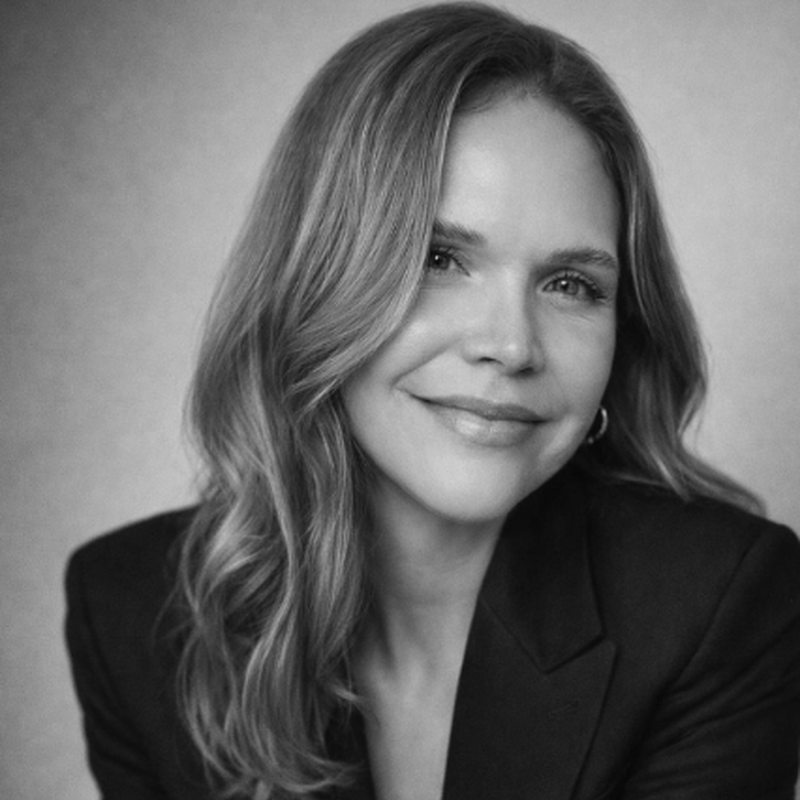 Christina GoswillerSVP, Head of Social Transformation