

Three Trends in the Mix for 2026: Kate Warren-Smith, Managing Director of Digitas Australia
Published January 12, 2026


Looking Ahead
What are three trends to look for in the coming year?
1: The brands that pull ahead will design marketing as a system
In 2026, 1+1 will equal 3 only when capabilities are designed to interact, not coexist. The biggest growth advantage will not come from better integration, but from compounding.
While many brands have made progress connecting capabilities, marketing is still often delivered in modules. Intelligence informs after the fact, creative executes in isolation, and media amplifies finished work. That approach will no longer be enough.
The brands that pull ahead will design marketing as a system. Intelligence will inform decisions in real time. Creative and technology will be inseparable, producing experiences that adapt and perform as they run. Media will not just distribute work but actively shape and improve it.
This is where 1+1 equals 3. The interaction between capabilities creates momentum that no single discipline can deliver alone.
2: GEO vs SEO – The New Visibility Battleground
Search is changing fast. As consumers turn to AI-driven engines for answers, traditional SEO is losing its dominance. Enter Generative Engine Optimisation (GEO), the art of making your content discoverable and credible in AI-generated responses. Instead of optimising for clicks, brands will need to optimise for citations. Structured data, schema markup, and authoritative content will determine whether AI agents recommend your products.
Search is changing fast. As consumers turn to AI-driven engines for answers, traditional SEO is losing its dominance.
For Australian brands, the barrier is mindset. Many still invest heavily in classic SEO without preparing for AI-first discovery. Globally, tech-forward brands like Nike and Best Buy are already experimenting with GEO strategies. Locally, early adopters in retail and travel will likely lead the charge. The question is: will your brand be visible when the algorithm becomes the shopper?
3: The Ethical Data Mandate
In 2026, how a brand uses data will matter as much as what it sells. Brands will be judged not just on the data they collect, but on how decisions are made with it. As AI-driven automation becomes embedded across marketing and customer experience, data ethics will move from principle to practice. Governance will matter as much as capability. How algorithms interpret data, trigger actions, and shape outcomes will become visible, explainable, and accountable.
In 2026, how a brand uses data will matter as much as what it sells. Brands will be judged not just on the data they collect, but on how decisions are made with it.
At the same time, consent will shift from compliance to value exchange. Zero-party data, explicit preference sharing, and consent management platforms will become central to how brands earn and maintain access. Consumers will expect clarity, control, and fairness.
The brands that succeed will treat ethical data use as an operating system, not a policy. Those that do not will face shrinking data access, rising scrutiny, and diminishing returns from automation.
Together, these trends point to a clear shift in direction. Marketing in 2026 will be judged less on effort and more on intelligence, interaction, and trust. Brands that redesign how work is valued, how capabilities compound, and how data is governed to build a durable advantage. Those that do not will find it increasingly difficult to compete, even if they appear busy doing all the right things.
Looking Back
If you could sum up 2025 in one emoji:
2025 in one emoji? Definitely this one:
🤯
Coming back from maternity leave is never simple, but doing it during a period of industry upheaval and then making a career move after 13 years felt like stepping into a whirlwind. What could have been overwhelming became an unexpected catalyst for growth.
Instead of clawing my way back, I leaned into change, rediscovered my strengths, and redefined what success looks like. Sometimes the most disruptive chapters are the ones that sharpen your focus and accelerate your evolution, and 2025 proved that in spades.
One of your favourite campaigns of 2025:
ALDIfy is a great example of what modern brand building looks like. It doesn’t just advertise, it connects with culture in a way that feels authentic and adds real utility for shoppers.
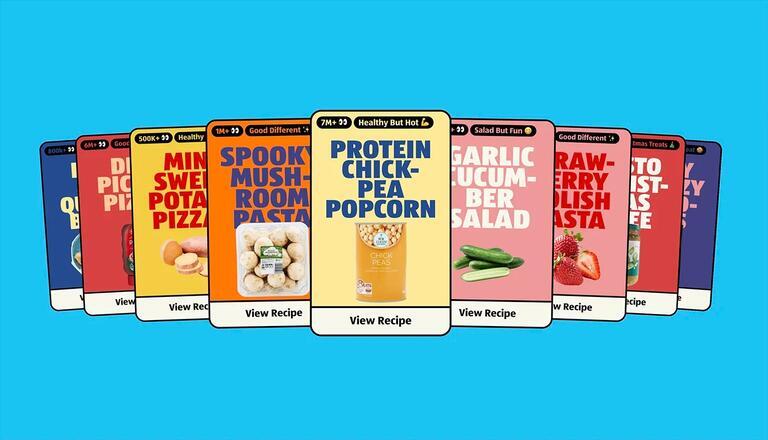
Suddenly, it’s not just about value; it’s about discovery. That shift brings in a whole new generation of customers who now see ALDI as relevant and innovative, not just affordable.