

Oritain, bringing peace to a world of compliance pressure
B2B Expertise
Comms Strategy
Content
Challenge
A major shift in global regulation put every cotton-exposed business under scrutiny. The Uyghur Forced Labor Prevention Act demanded verifiable proof of origin, forcing brands to prove the integrity of their supply chains and navigate a grey area between markers of high risk and guide them toward universal auditing, forensic verification and compliance.
Insight
Not every business faces the same exposure. The risk in the cotton supply chain determines what they need to know, and businesses weren’t getting the content that aligned to their level of necessary action.

Showing the path through risk and regulatory complexity
Solution
We developed an end-to-end framework that turned fragmented compliance pressure into a clear sequence of guidance, designed to reflect how different businesses experienced regulatory risk.


Mapping the journey to show what each prospect needed next
We defined a focused persona within the cotton supply chain and mapped the full end-to-end journey, establishing exactly what information prospects required at each stage of awareness, education and decision-making.

Building a content system shaped by regulatory pressure
Using the journey structure, we developed a content framework aligned to UFLPA requirements, delivering the right depth, clarity and guidance at each step.


Targeting senior decision-makers with precision
We focused on C-suite and senior supply-chain roles identified to be most at risk and activated across web, events, social and CRM, ensuring the most exposed decision-makers received messages tailored to their responsibilities and risk profile.
- 57%
Increase in target US web sessions over previous period
- 8%
Target-to-prospect conversion rate
- 11%
Increase in search-to-web traffic
UP NEXT
VIEW ALL WORK 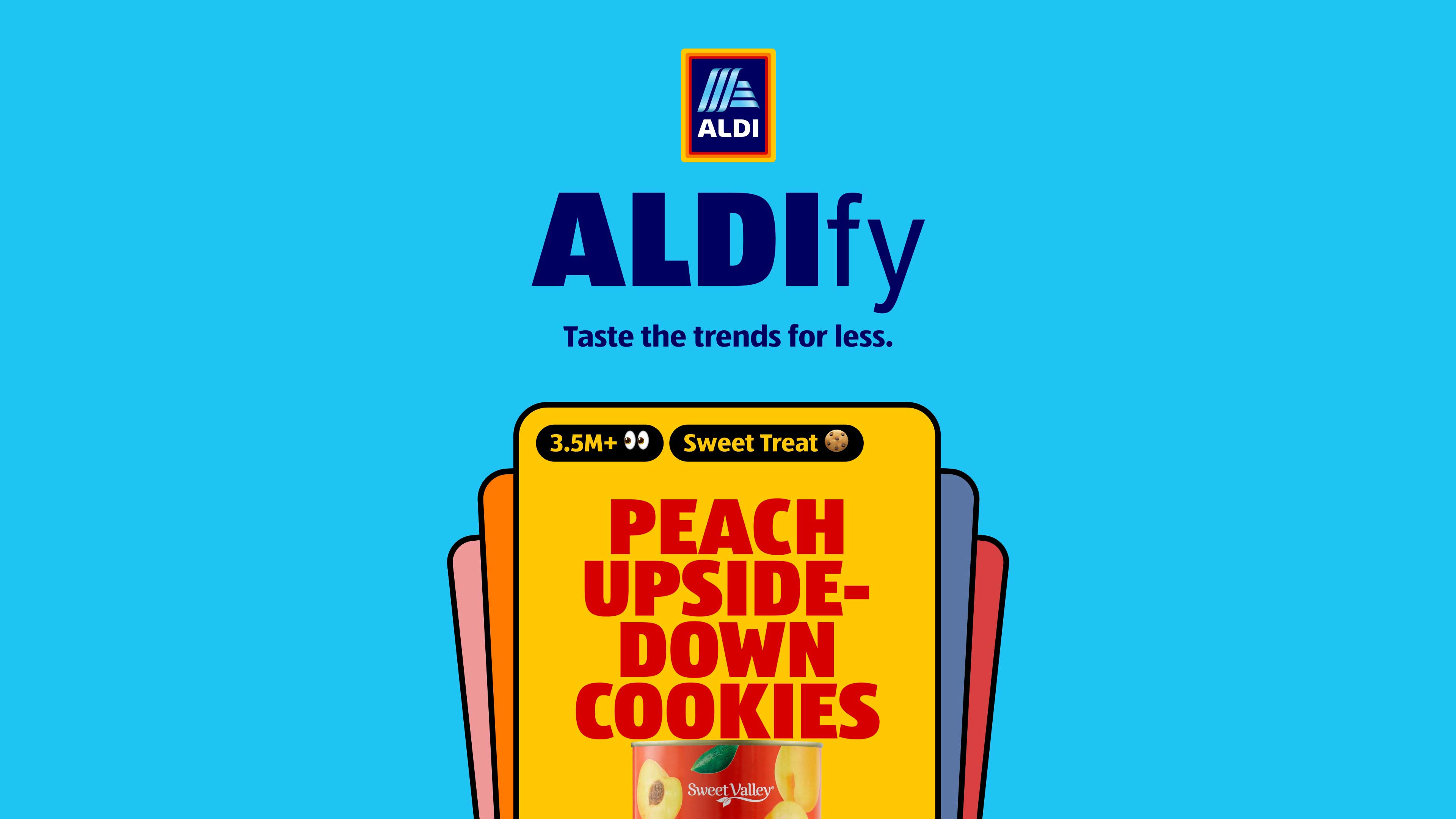
Taste the trends for less
- Creative Experiences
- Shoppable Media Experiences
- Campaigns
- 1:1 Creativity
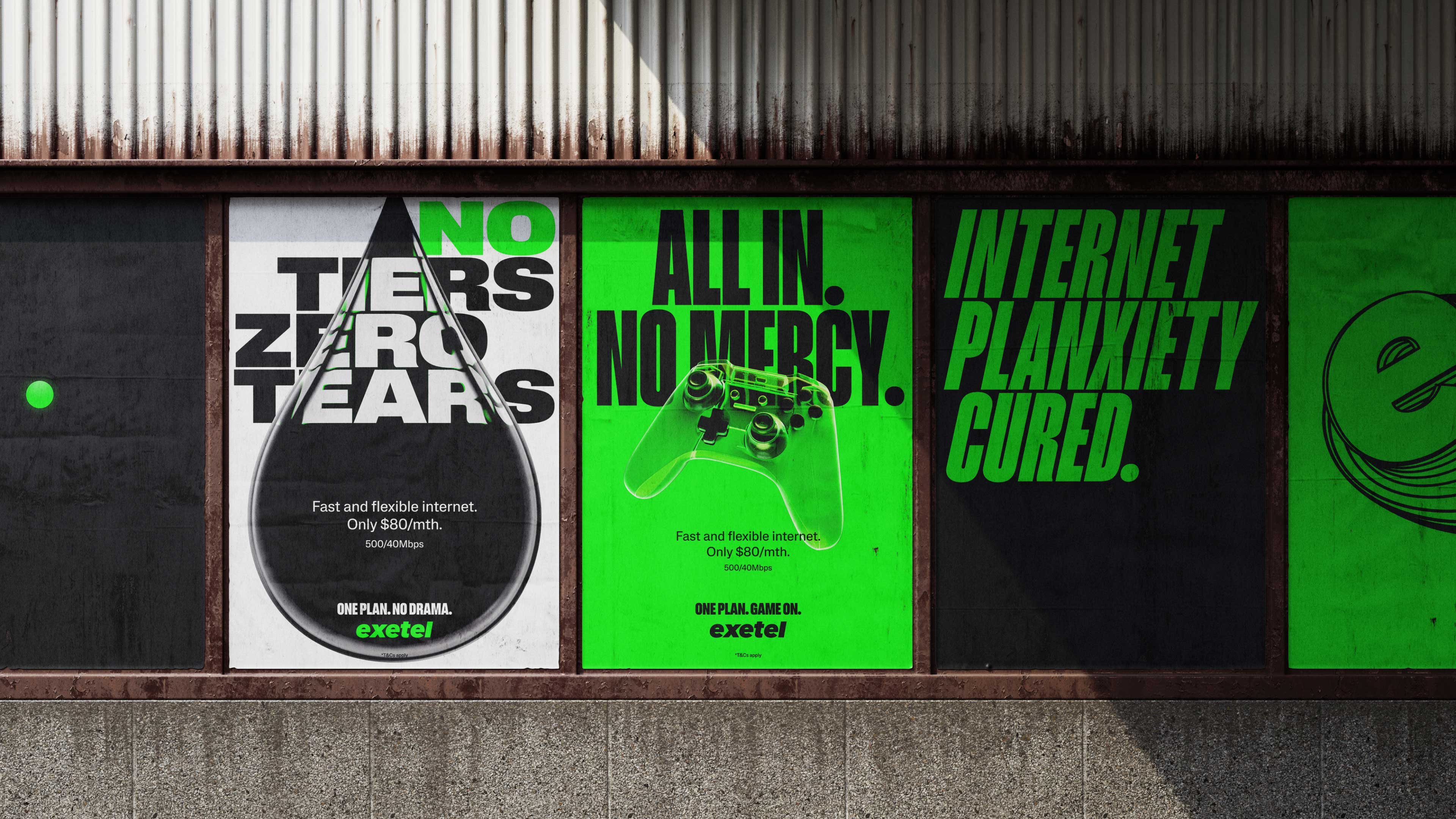
Launching a Brutally Honest Internet Brand
- Brand Design & Identity
- Campaigns
- D2C Strategy
- Creative Experiences

The World’s #1 Payment Brand Just Got Even Better
- Campaigns
- Comms Strategy
- D2C Strategy
- Paid Social Activation
- Performance Assets
- Creative Experiences